Visitors leave without asking for a quote
Product pages may get attention but leave buyers unsure what to do next. Clear capabilities, useful project details and a simple quote form can make the next step easier.
Web Design for Manufacturing Companies
Show buyers what you make, the work you can handle and how to request a quote. We build manufacturing websites that bring product details, production capabilities and technical information together, so engineers, purchasing teams and business owners can decide whether you are the right supplier.
Schedule a Discovery CallHelp buyers understand what you can make before they send a drawing or ask for a quote.
Your website needs to show what you do, answer the right questions and make it easy to ask for a quote. It should also support the way your business works.
From the first search to the sales follow-up, each part should help the next.
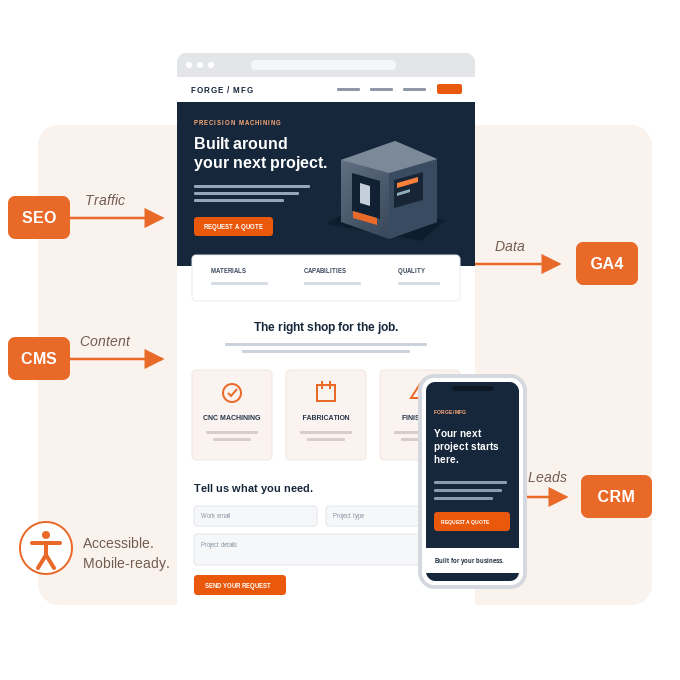
A better website should reflect your manufacturing capabilities and how customers buy from you.
Whether you make custom parts, supply standard products or build equipment, we plan the pages around the questions buyers need answered.
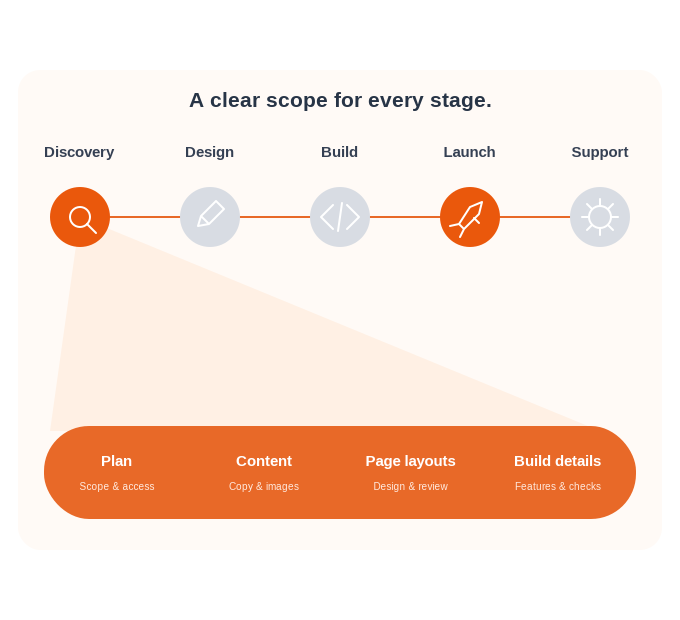
We agree on the pages, features and connections you need before the work begins.
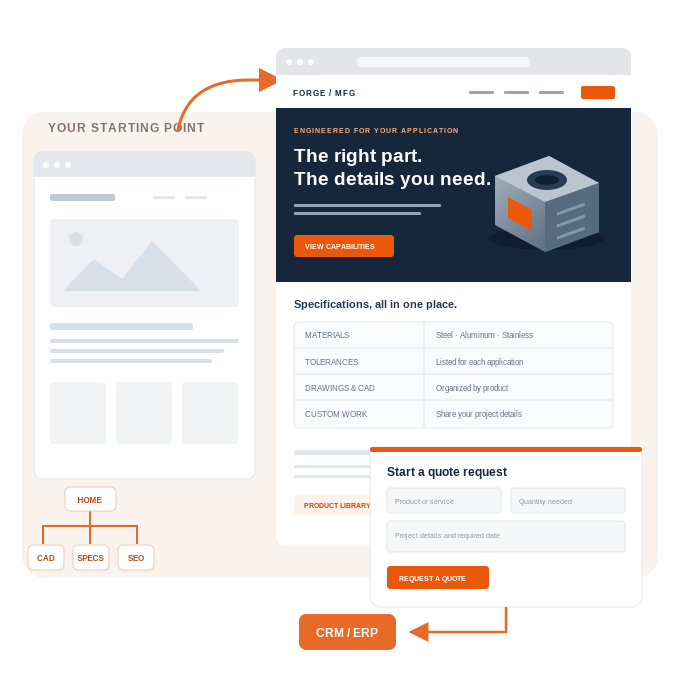
Your business moves forward. Your website should keep up.
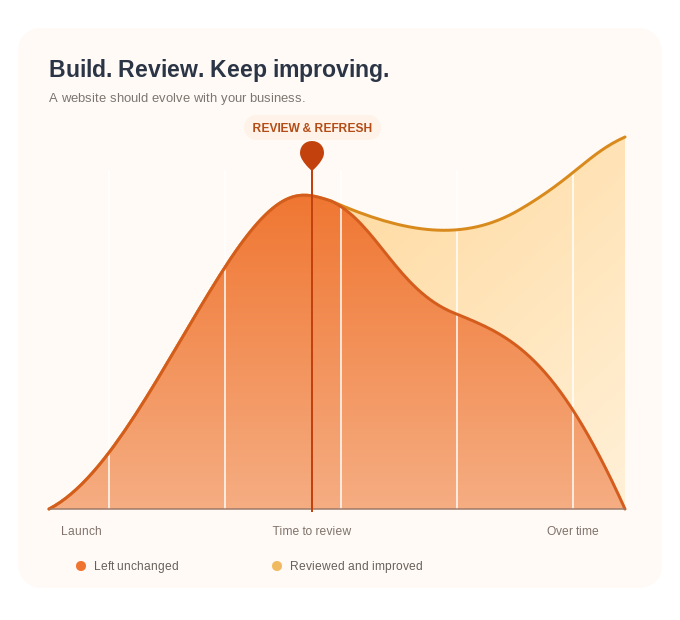
A well-built site can serve your business for years, but there is no fixed expiry date. New products, changing buyer expectations and outdated content can all create a reason to review it. Look at how well the site works today, not just when it was built.
Buyers use your website to judge whether you can handle their work. Old project photos, missing specifications or a difficult quote process can make it harder to see the value you offer.
Search for your main services and compare the sites buyers will find alongside yours. Can they understand your capabilities, use the site on a phone and request a quote without hunting for the next step?
Keep what works, fix what gets in the way and give your website room to grow with the business. A refresh may be enough. When the structure holds you back, a redesign can be the better next step.
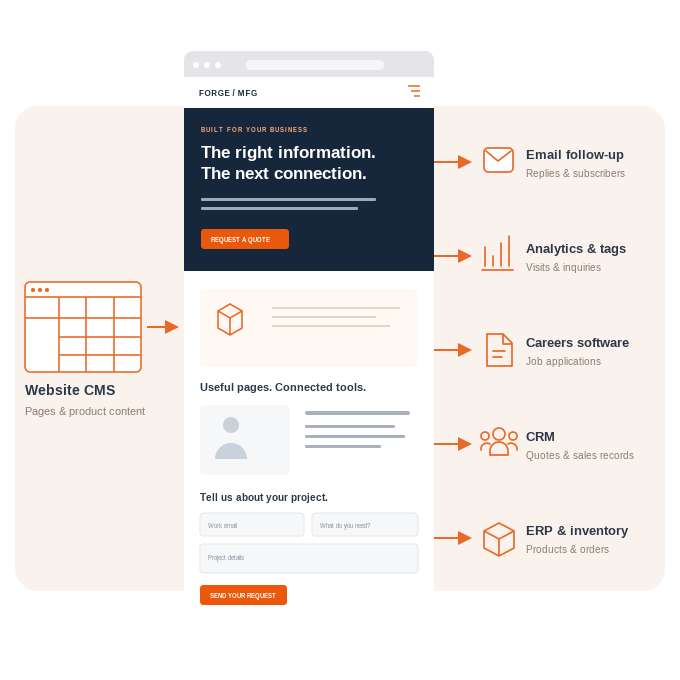
Connect product information and quote requests to the systems your manufacturing team uses.
Useful connections reduce manual work and help customers get a clearer response. We plan how information moves between your website, sales team and business systems.
Start with the connections that save your team time. We review your software, access and requirements before agreeing on the work.
A useful estimate starts with a clear scope, not a surprise invoice.
A landing page, a service website and a large product catalog involve different amounts of work. The number of pages, technical content, quote forms and software connections all affect the cost.
We review what you have and agree on the work before starting. Your proposal should explain what is included, who supplies the content and what needs your approval.
Hosting, software licenses, ongoing support and extra features should be discussed alongside the build. If the scope changes, we agree on the added work and cost first.
Start with what your buyers need most. A focused first release can give you a useful foundation to build on.
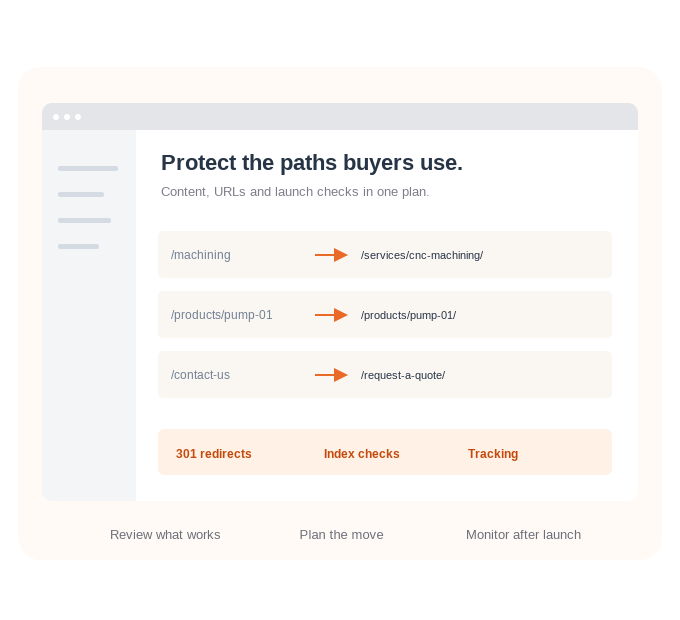
Keep search visibility in the plan from the start.
A new design should build on useful pages, not lose them in the move. We review the content, search queries and URLs that already bring relevant visitors before changing the site.
Rankings can change after a launch. A careful migration helps reduce avoidable problems, and monitoring helps us spot pages or redirects that need attention.
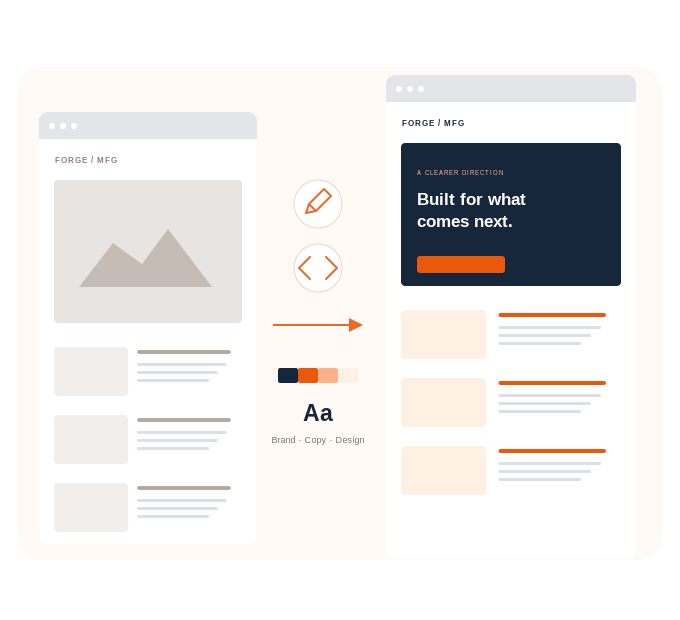
Bring the new direction into the website while you rebuild.
A redesign is a useful time to check whether your site reflects the company you are today. New markets, services or products may call for clearer messaging as well as a fresh look.
We work with your approved brand direction to apply the right logo, colors, type and page design. We also help explain who you serve, what you offer and why buyers should consider your business.
If the business name or domain is changing, we plan the website move, redirects and tracking alongside the visual work. Your team reviews the content and technical details before launch.
One consistent website, from the first page to the quote form. Plan the design, content and launch together so the new brand feels joined up.
Time for a closer look
Buyers need to see whether you can handle their job. A buyer may compare your shop with several manufacturers before sending an RFQ. If materials, tolerances, certifications or contact details are missing, it is harder to judge whether you can handle the job. We help make those answers easier to find.
Schedule a Discovery CallProduct pages may get attention but leave buyers unsure what to do next. Clear capabilities, useful project details and a simple quote form can make the next step easier.
Old photos, missing certifications and outdated service pages can hide the work you do today. Show buyers current information they can use to assess your business.
Adding a product, updating a specification or sharing a recent project should be manageable. We plan how your team will keep important information current.
Buyers may check your site from an office, shop floor or job site. Readable text, simple menus and easy-to-use forms help them find details and contact you from any screen.
Planning a new site for a manufacturer? Here are answers about capability pages, product information, drawings and the quote process.
Get in touchGive buyers a clear view of your processes, products and production capabilities. Include materials, part sizes, tolerances and order volumes where relevant. Add current certifications, quality information, equipment details and examples your team can share. Make it easy to check your location, contact sales and start an RFQ.
Yes. A custom manufacturer may need process and capability pages that help buyers assess a drawing or project. A product manufacturer may need a catalog with specifications, applications and supporting documents. We use the same planning process, then shape the page structure and quote flow around how your business sells.
Yes. We can plan product pages and document libraries so buyers can find approved drawings, specifications and other resources. We agree on which files can be public, how the information will be updated and whether access controls are needed. Large catalogs or connections to existing product systems are scoped separately.
Start with contact details, the part or product, quantity, required date and delivery location. A short project description can help your team check whether the work fits. Drawings and detailed specifications may need a separate file-sharing step. We plan that process with your team rather than asking buyers to put private files into a basic contact form.
The scope depends on your pages, catalog size, content, RFQ features and software connections. A starter site or landing page can be ready for review within 3 days once the scope, content and access are agreed. A full manufacturing website with many products or custom integrations takes longer. We agree on the work, fees and timeline before starting.
Book a 30-minute call to explore what’s holding your website back and how we could help you generate more qualified inquiries.
Let’s talk about your website.
Schedule a Discovery CallNo pressure. Just a useful conversation about your business.